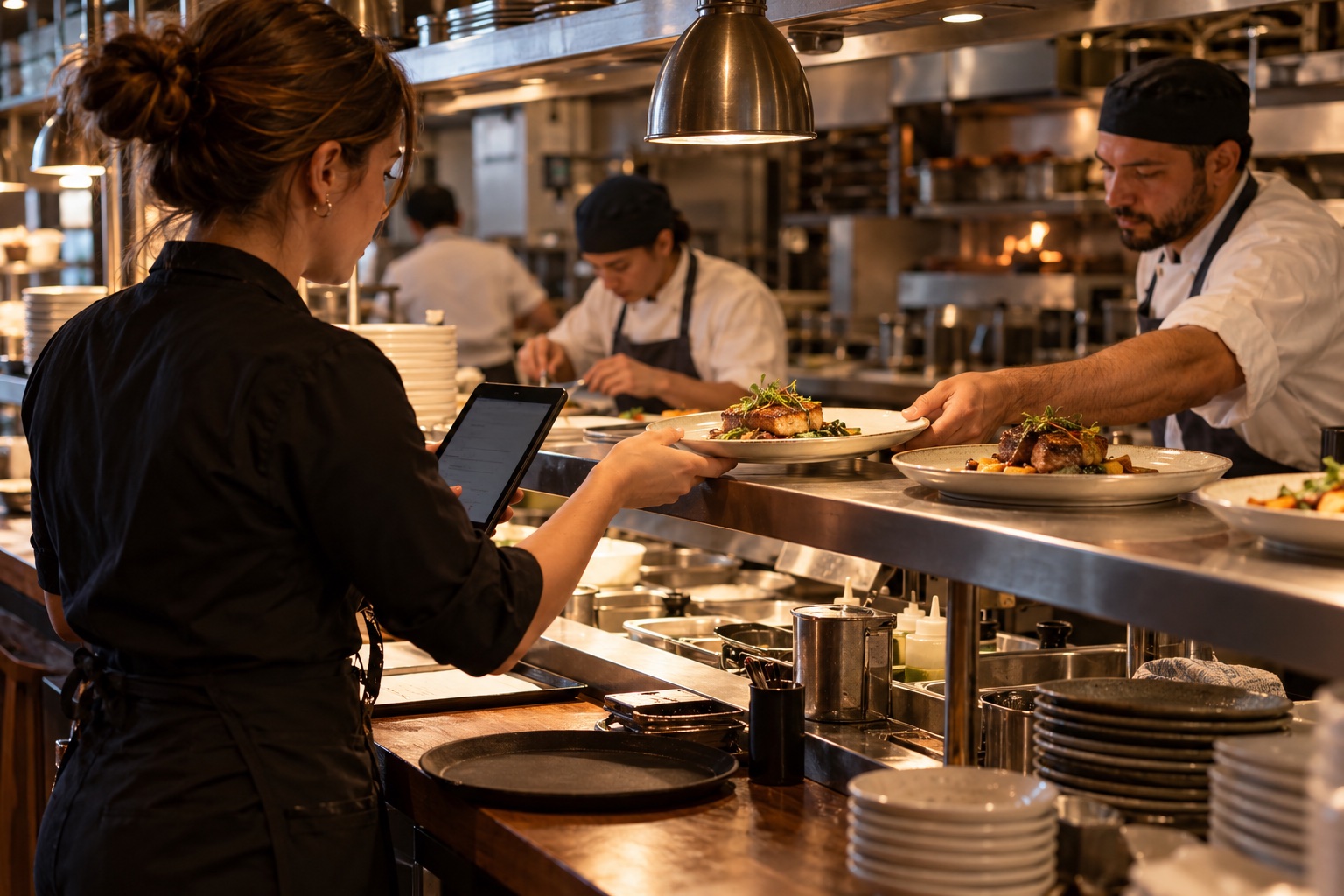
Order flow
From the guest to the kitchen
Ordering, delivery, reservations, and the handoffs that determine whether a digital order fits the shift.
A weekly newsletter for restaurant owners and operators
Every week, Restaurant Tech Radar explains restaurant technology developments and the decisions behind them. We follow the sources, separate documented facts from vendor claims, and connect the trade-offs to service, staff time, guests, and cost.
Free: a weekly source-led briefing. Pro — $20/month: deeper analysis, comparisons and practical insights.

The operating questions behind the tools
We follow the parts of the stack that touch a restaurant shift—from how orders move to how costs settle. Coverage is research-led and tied back to the operation.
Order flow
Ordering, delivery, reservations, and the handoffs that determine whether a digital order fits the shift.

Payments and cost
Payments, pricing, contracts, and the costs that can change what remains after service.

Automation and AI
Automation, robotics, and software claims weighed against the work, oversight, and exceptions involved.
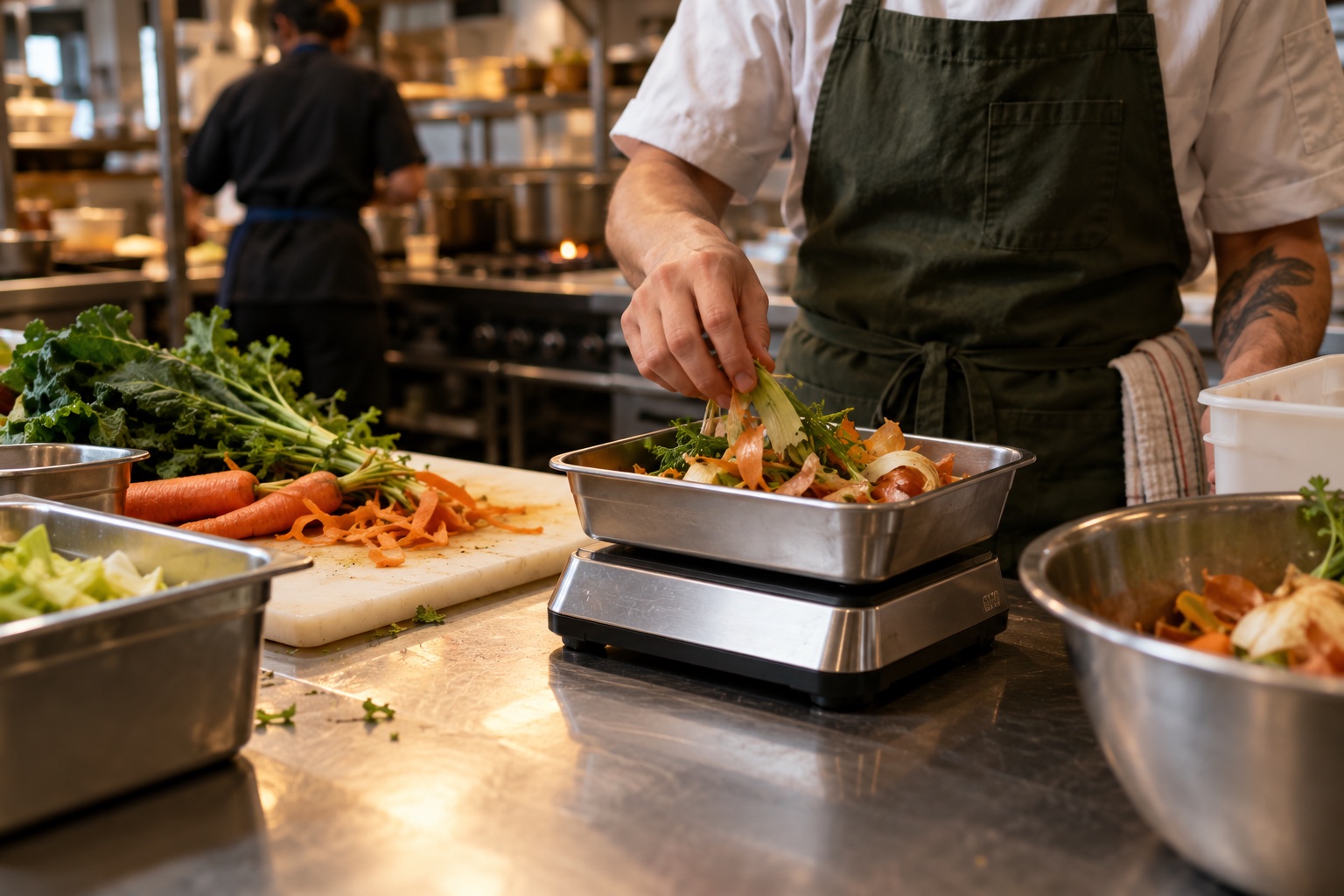
Back of house
Inventory, kitchen systems, labor tools, and the connections that keep information usable.
How we report
Product announcements can describe an intended benefit. Our coverage asks what is documented, which details remain unknown, and how the change could affect a restaurant’s own operating model.
About Dirk: Restaurant Tech Radar is led by Dirk, a former private chef with a background in data engineering and data science. He brings restaurant-service context to source-based research on technology and operating trade-offs.
A separate service · one restaurant location
A focused technology assessment—not a full business review—covering what is in place, which alternatives fit the budget, how systems connect, and what to prioritize next.
The offer is scoped to one location. Implementation and complex multi-location work are separate. Exact scope and commercial terms are agreed before payment. A completed purchase includes three months of Operator Pro; this applies to purchased Reviews only, not inquiries, and does not automatically renew into paid Pro.
Ask about a ReviewFollow the evidence, not just the pitch
Read a dated Free sample, follow the original sources, and see what deserves a closer look for your operation.